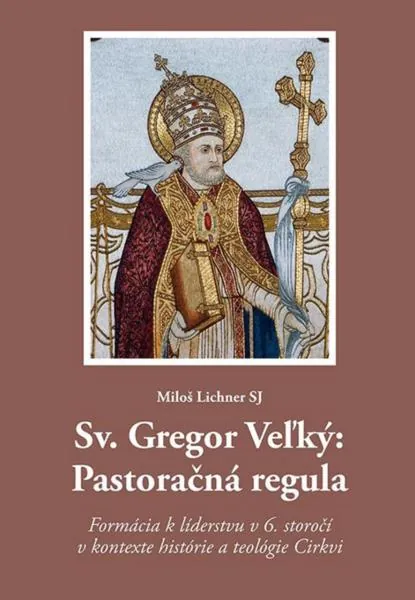
2025 · Dobrá kniha
Gregory the Great: Pastoral Rule
Gregory the Great on responsibility, humility and service to those we lead. A Slovak translation with an introductory scholarly study.
jezuita•kňaz•teológ•profesor Jesuit•priest•theologian•professor
Tradícia otvorená premýšľaniu.A tradition open to thinking.
Kresťanská tradícia nie je uzavretou kapitolou dejín, ale živým priestorom myslenia, ktorý nás učí klásť nové otázky a hlbšie chápať vieru. Vo svojej práci sa vraciam k cirkevným otcom, osobitne k svätému Augustínovi. Jeho texty ani po šestnástich storočiach nestratili nič zo svojej naliehavosti. Stále nás vedú k premýšľaniu o Bohu, o sebe a o svete, v ktorom žijeme. When I find a thought in St Augustine that lifts my spirits or makes me think, I like to share it. Texts written centuries ago can still help us understand ourselves, one another and God. I hope my thoughts inspire you.
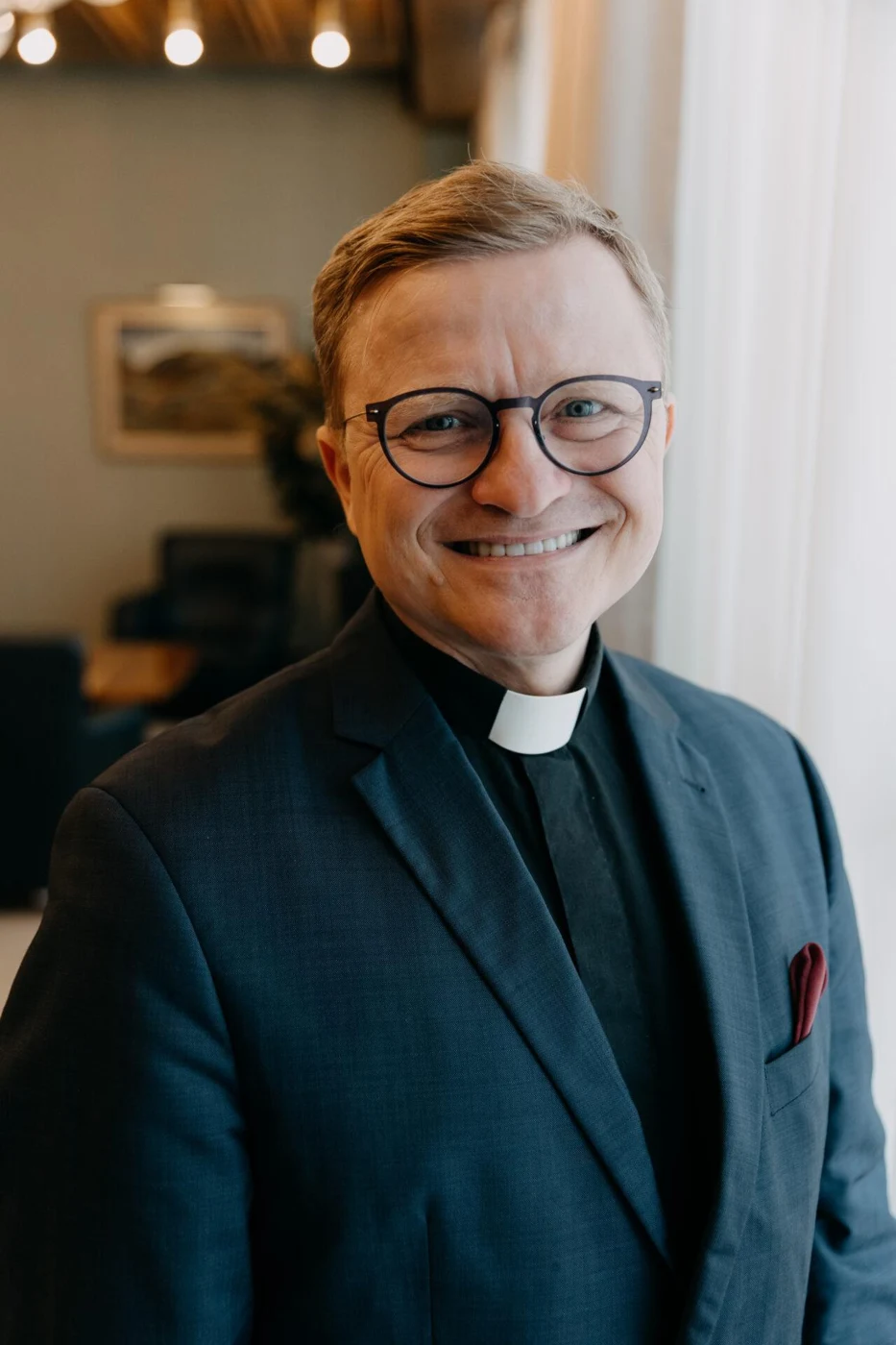
Čo objavím vo výskume, odovzdávam študentom, veriacim i verejnosti. Ich otázky ma potom vracajú späť k prameňom. What I discover in research, I pass on to students, believers and the wider public. Their questions then lead me back to the sources.
Skúmam a prekladám latinských cirkevných otcov – Augustína, Leva Veľkého či Gregora Veľkého. Na Trnavskej univerzite učím a vediem ju ako rektor.
I study and translate the Latin Church Fathers – Augustine, Leo the Great and Gregory the Great. I teach at Trnava University and lead it as Rector.
Ako jezuita a kňaz slávim omše a kážem. Každý deň prekladám a na Facebooku zverejňujem jednu myšlienku z ranokresťanskej literatúry.
As a Jesuit and a priest, I celebrate Mass and preach. Every day I translate one thought from early Christian literature and post it on Facebook.
O Cirkvi, pápežoch či tolerancii hovorím aj s ľuďmi mimo teológie – na prednáškach a v diskusiách, v televízii, rozhlase aj v tlači.
I talk about the Church, the popes and tolerance with people outside theology too – at lectures and discussions, on television and radio, and in the press.
2025 · Dobrá kniha
Gregory the Great on responsibility, humility and service to those we lead. A Slovak translation with an introductory scholarly study.
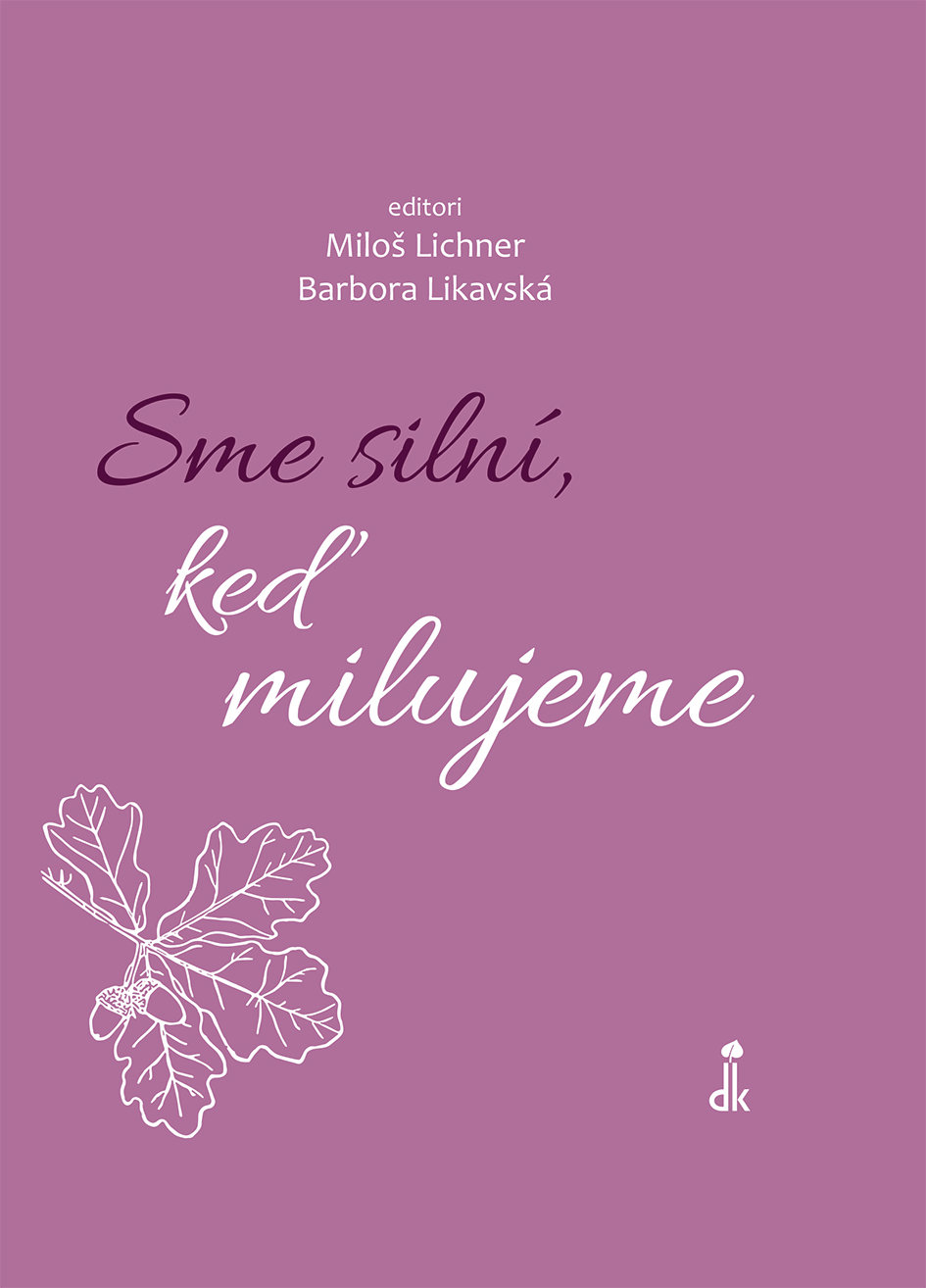
2025 · Dobrá kniha
The third collection of 101 thoughts by Augustine, selected and translated by me and accompanied by photographs by Barbora Likavská.
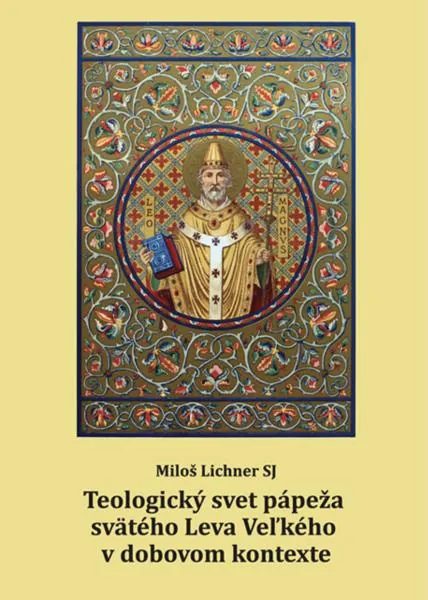
2022 · Dobrá kniha
How did Pope Leo the Great think about Christ, salvation and the Church? The result of several years of research into his theology and historical context.
On Pope Leo XIV, artificial intelligence and human dignity.
A conversation about vocation, Augustine and giving people room to grow.
Right after the inauguration as Rector: plans for the university, and how priesthood fits with leading a secular school.
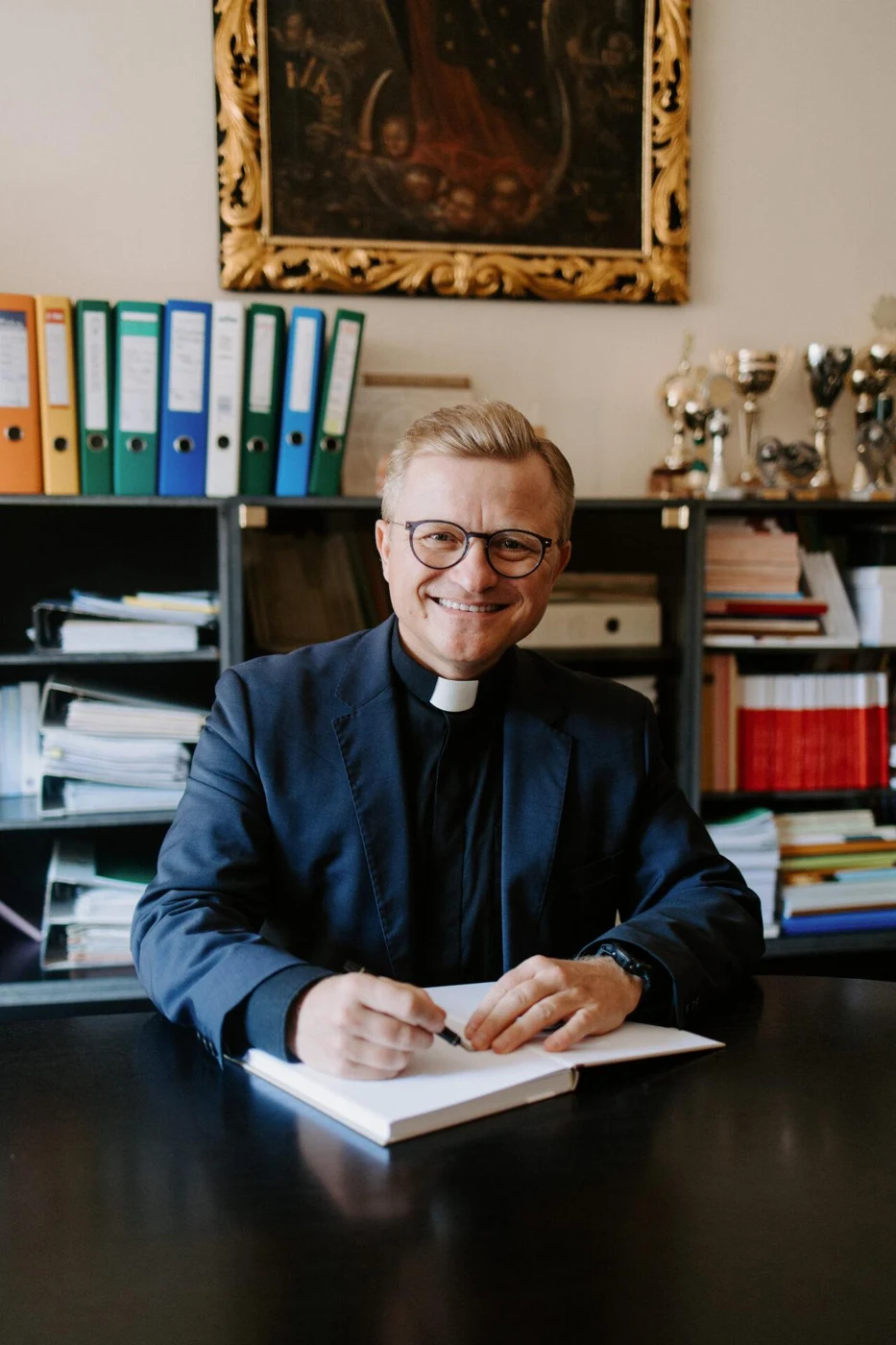
Inšpiruje ma chápanie teológie pátra Emila Krapku SJ, ktoré spája poznávanie Boha s osobným stretnutím s ním v tajomstve Slova. Teológiu preto nevnímam iba ako vedecké skúmanie kresťanskej viery, ale aj ako reflexiu jej významu pre život človeka. Zaujíma ma, ako sa viera premieta do našich vzťahov, rozhodnutí a do zodpovednosti za druhých. Tieto otázky otváram so študentmi v posluchárni, ale aj pri stretnutiach mimo akademického prostredia.
I am inspired by Fr Emil Krapka SJ’s understanding of theology, which unites knowing God with a personal encounter with him in the mystery of the Word. I therefore see theology not only as the scholarly study of the Christian faith but also as reflection on what it means for human life. I am interested in how faith shapes our relationships, our decisions and our responsibility for others. I explore these questions with students in the lecture hall and in encounters beyond the academic world.
Dať ľuďom väčšie nádobky, ten priestor a slobodu, a potom trpezlivo čakať, aby mohli rásť.To give people bigger pots, that space and freedom, and then wait patiently so they can grow.Archív myšlienokMore thoughts
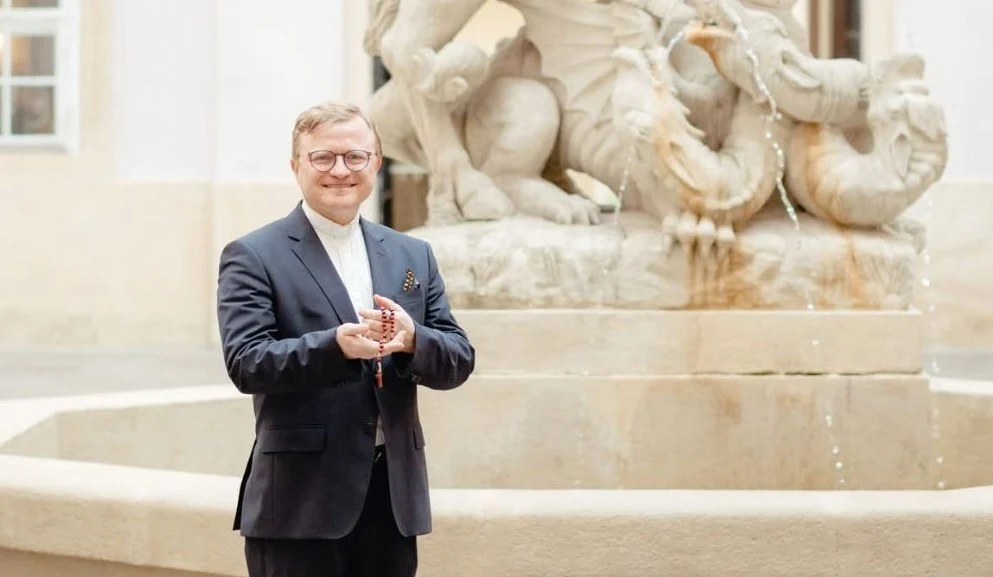
Som jezuita, kňaz, teológ a profesor. Pôvodne som však vyštudoval záhradníctvo. K teológii ma postupne priviedli knihy a ľudia, ktorých som stretol.I am a Jesuit, a priest, a theologian and a professor, although I originally trained in horticulture. Books and the people I met gradually led me towards theology.
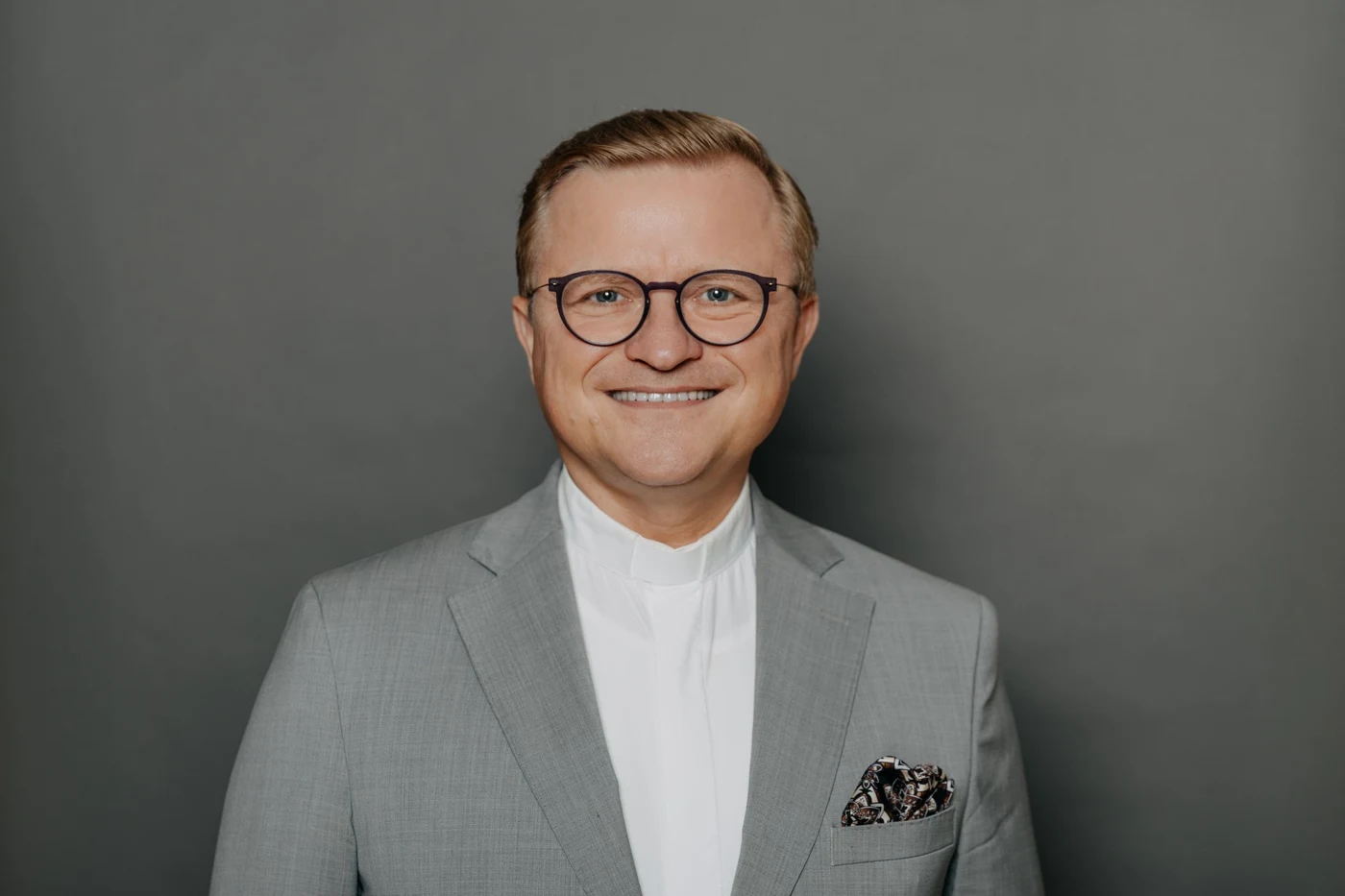
Ako teológ sa venujem dielu latinských cirkevných otcov – svätého Augustína, ktorému som venoval aj doktorát na jezuitskej fakulte Centre Sèvres v Paríži, ale aj pápežov Leva Veľkého a Gregora Veľkého. Ich texty prekladám do slovenčiny a skúmam, ako premýšľali o tolerancii, jednote Cirkvi či o zodpovednosti tých, ktorí vedú druhých.
Na Trnavskej univerzite pôsobím od roku 2005 a so študentmi hľadám, čo môže ranokresťanská tradícia povedať dnešnému človeku. Venujem sa aj dialógu medzi náboženstvami a opieram sa pritom o kresťanskú tradíciu i o skúsenosť z osobných rozhovorov. Myšlienky cirkevných otcov približujem širšej verejnosti v knihách, na prednáškach a na Facebooku.
As a theologian, I work on the Latin Church Fathers – St Augustine, the subject of my doctorate at the Jesuit faculty Centre Sèvres in Paris, as well as Popes Leo the Great and Gregory the Great. I translate their texts into Slovak and study how they thought about tolerance, the unity of the Church and the responsibility of those who lead others.
I have worked at Trnava University since 2005, and with my students I explore what the early Christian tradition can say to people today. I am also involved in dialogue between religions, drawing on the Christian tradition and on personal conversations. I share the thought of the Church Fathers with a wider public through books, lectures and Facebook.
prof. ThLic. Miloš Lichner SJ, D.Th.
Narodený 21. septembra 1971 v Martine.Born on 21 September 1971 in Martin, Slovakia.

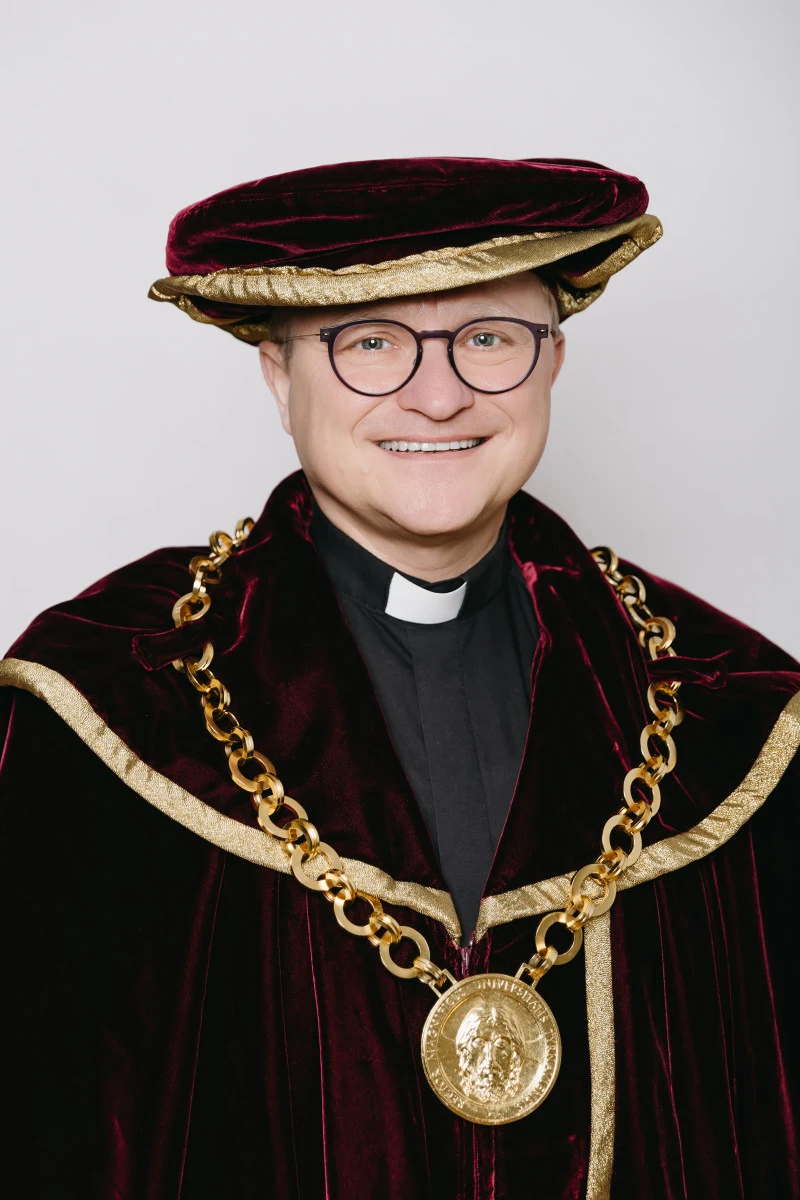
Od roku 2005 pôsobím na Teologickej fakulte a od roku 2024 vediem Trnavskú univerzitu ako rektor. Učenie, výskum aj vedenie univerzity vnímam ako službu ľuďom, ktorí na nej študujú a pracujú.
I have worked at the Faculty of Theology since 2005 and have led Trnava University as Rector since 2024. I see teaching, research and university leadership as service to the people who study and work there.
Som jezuita a katolícky kňaz. V slovenskej provincii som pôsobil ako sekretár provinciála a prefekt zodpovedný za formáciu rehoľných seminaristov. K mojej službe patrí slávenie omší, kázanie aj sprevádzanie ľudí.
I am a Jesuit and a Catholic priest. In the Slovak province I served as secretary to the Provincial and as prefect responsible for the formation of Jesuit seminarians. My ministry includes celebrating Mass, preaching and accompanying people.
Najlepšie si oddýchnem vonku. Už vyše desať rokov sa otužujem – začal som kvôli častým zdravotným ťažkostiam, keď ma k tomu prizval kamarát. Zvykal som si asi rok a pol. Dnes chodím do studenej vody raz či dvakrát do týždňa, keď mi to čas dovolí, často na Zlatých pieskoch, aj v zime.
Rád sa bicyklujem a chodím na turistiku. Popri knihách a povinnostiach na univerzite mi pohyb vonku pomáha udržať si rovnováhu.
I recharge best outdoors. I have been cold-water swimming for more than ten years – I started because of recurring health problems, when a friend invited me along. It took me about a year and a half to get used to it. Today I go into cold water once or twice a week when time allows, often at Zlaté Piesky, winter included.
I also enjoy cycling and hiking. Alongside books and university duties, time outdoors helps me keep my balance.
Zo stretnutí a z akademického života.From encounters and university life.
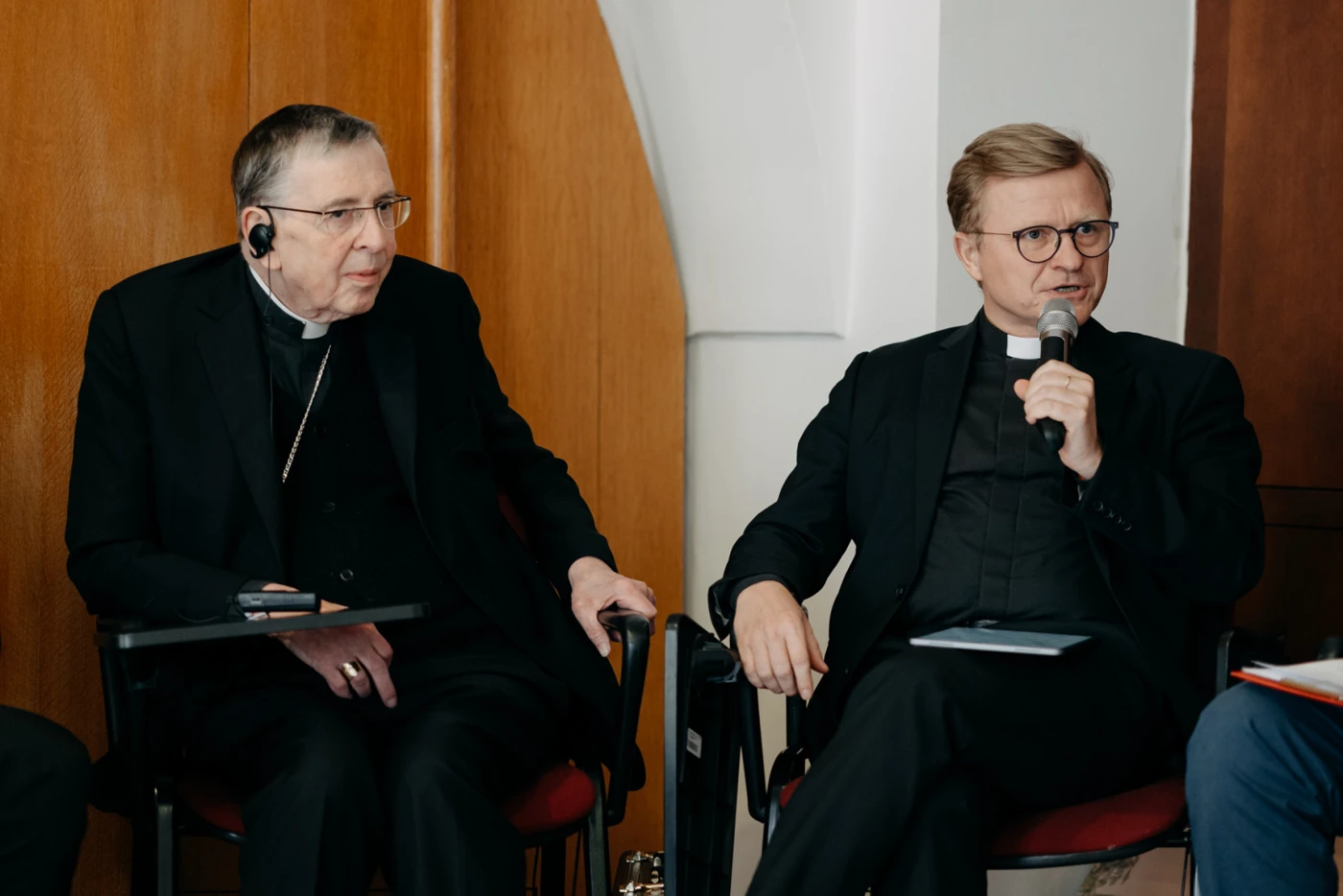
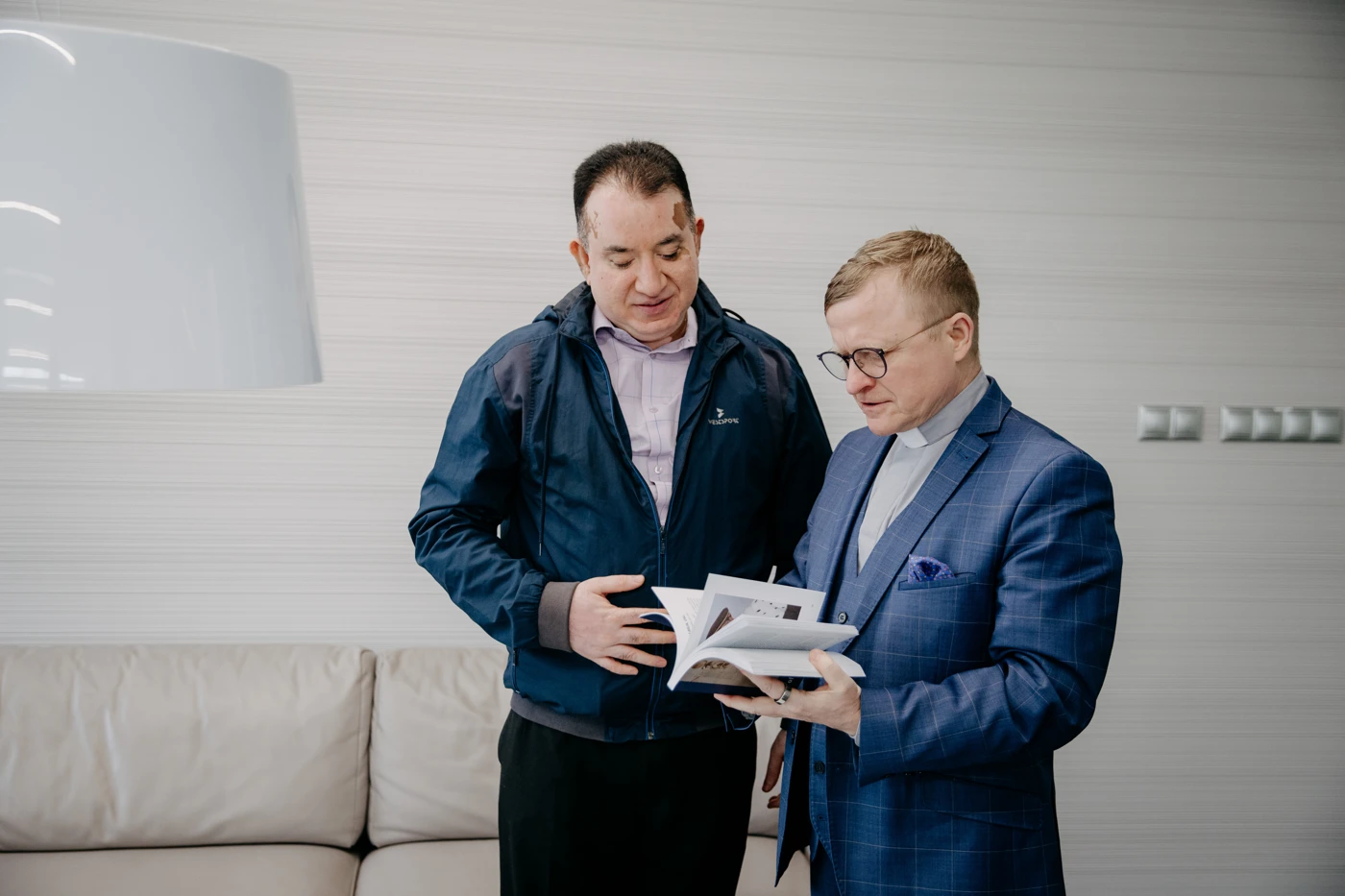
Píšem a prekladám najmä o ranokresťanských autoroch. Popri odborných knihách a štúdiách pripravujem aj výbery ich myšlienok pre širší okruh čitateľov.I write about and translate mainly early Christian authors. Alongside scholarly books and articles, I prepare collections of their thoughts for a wider readership.
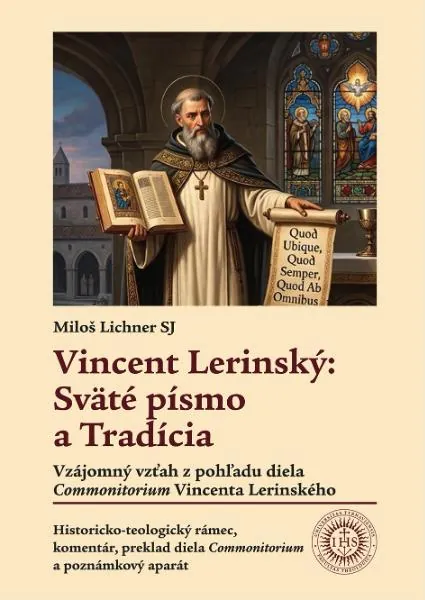
How can living tradition be told apart from human novelties? Vincent of Lérins looked for the answer in continuity with the apostles’ teaching. The Commonitorium in translation, with commentary and a study.
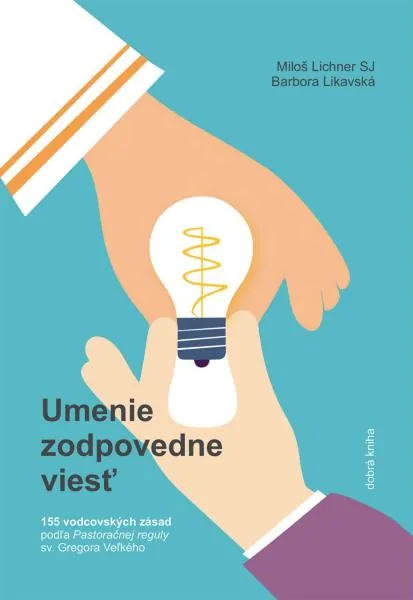
Principles of leadership drawn from Gregory the Great’s Pastoral Rule – on responsibility, humility and service to those we lead. Short texts with photographs for those who lead others or are preparing to.
Gregory the Great on responsibility, humility and service to those we lead. A Slovak translation with an introductory scholarly study.
The third collection of 101 thoughts by Augustine, selected and translated by me and accompanied by photographs by Barbora Likavská.
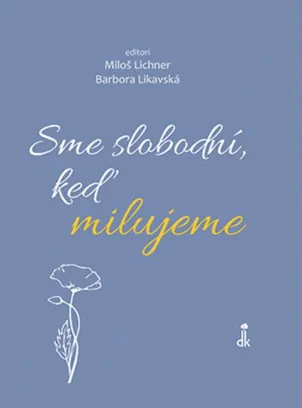
The second collection of 101 thoughts by Augustine – on the freedom that is born of love. Short texts to be read one a day.
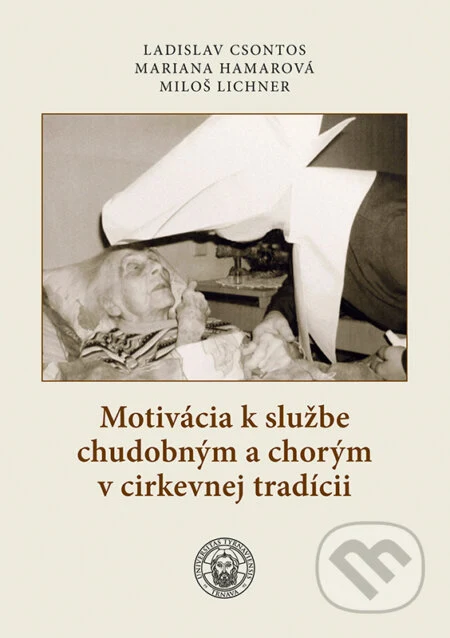
What inspired Christians to serve the sick and the poor? A collaborative study of the historical and spiritual roots of this service.
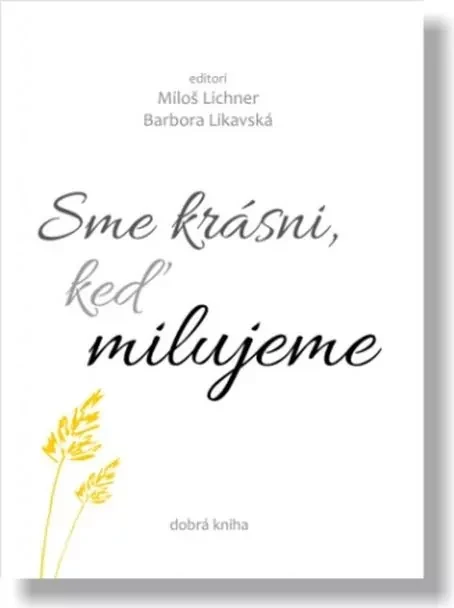
The first collection of 101 thoughts by Augustine on love, faith and life, accompanied by nature photographs by Barbora Likavská.
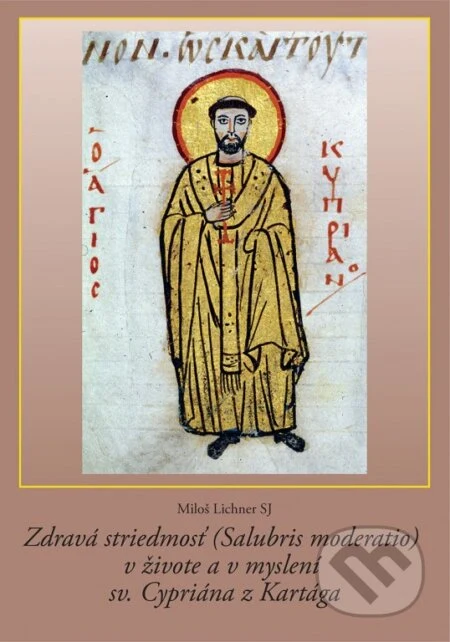
A monograph on St Cyprian, the 3rd-century theologian who, in a time of persecution, faced questions about the Church and the sacraments – and sought a healthy measure in them.
How did Pope Leo the Great think about Christ, salvation and the Church? The result of several years of research into his theology and historical context.
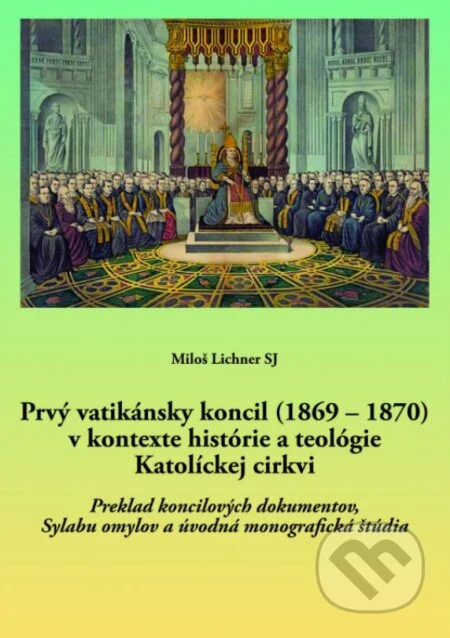
The first Slovak translation of the documents of the First Vatican Council and of the Syllabus of Errors. The study places the council in history and explains how to read it today.
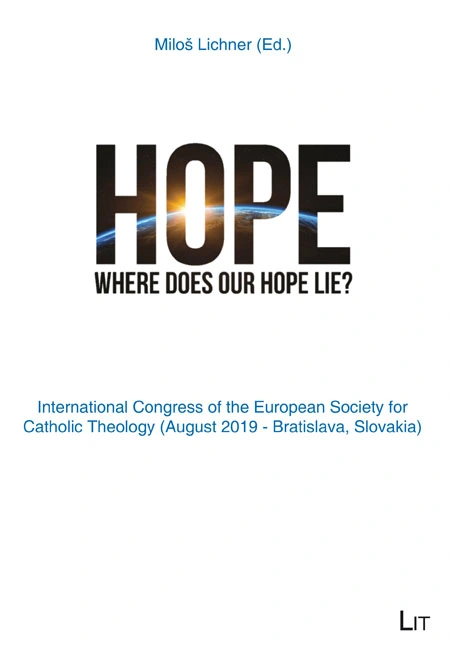
Proceedings of the international ESCT congress in Bratislava, which I prepared as editor. Theologians from across Europe on where hope lies today.
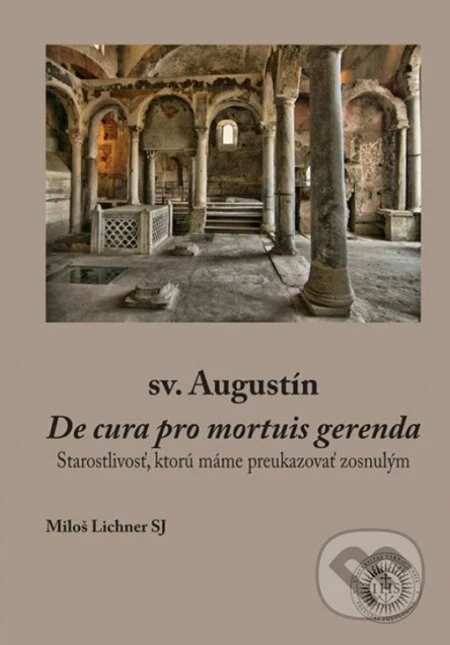
Augustine’s short treatise on what we owe the dead. A translation with notes and a study on the Christian relationship to death, memory and prayer for the departed.
Over a hundred canons on church discipline from late 5th-century Gaul, attributed to Gennadius of Marseilles. A critical translation with a study of what was expected of bishops and clergy.
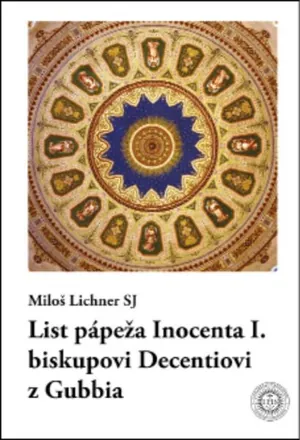
A translation and study of the letter of 416 – one of the oldest witnesses to how the liturgy was celebrated in Rome and what the pope expected of bishops.
The oldest life of St Martin, by Sulpicius Severus, who knew the saint personally. The story of a soldier, monk and bishop, published in Slovak for the first time, with a monographic study and notes.
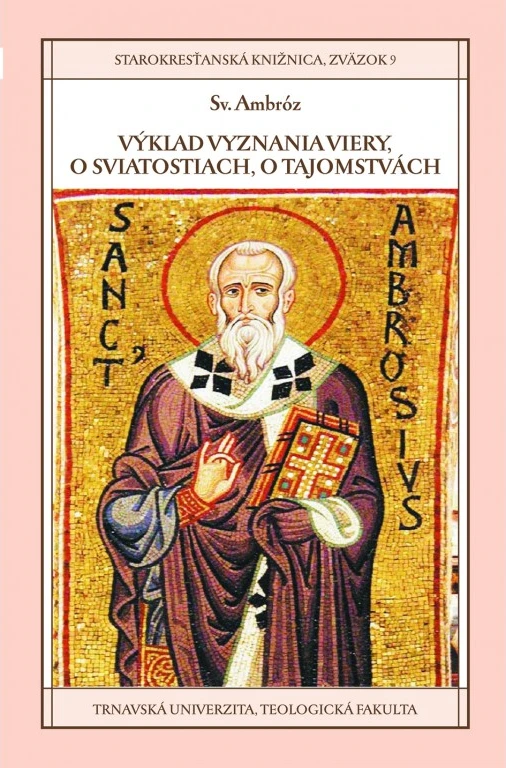
The first complete Slovak translation of Ambrose’s catecheses on the Creed and the sacraments. A bilingual edition showing how the late 4th-century Church led people into the faith.
A commentary on Psalms 51–75 for which I served as a scholarly reviewer. Together with Bohdan Hroboň and Misha Kapustin, I accepted the Dominik Tatarka Prize for 2017 on behalf of the team.
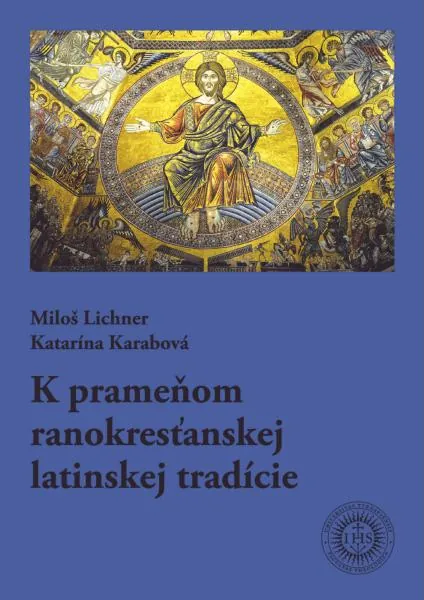
Selected works of early Christian Latin authors in translation, with introductions to their lives and writings. For students and readers who want to encounter the tradition through its sources.
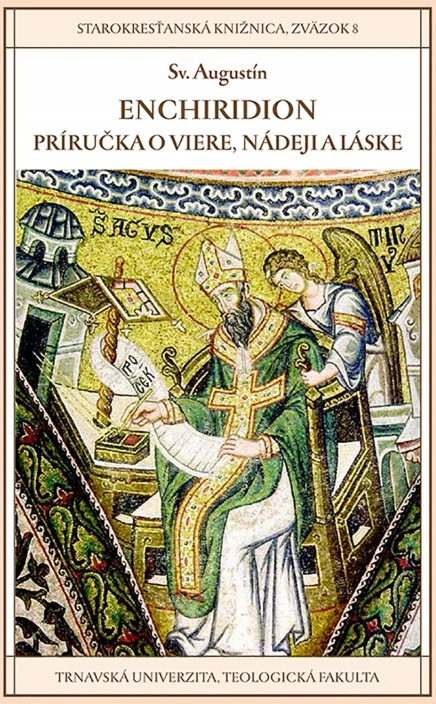
Augustine’s attempt to sum up the whole of Christianity in one handbook. A translation with notes and a monographic study.
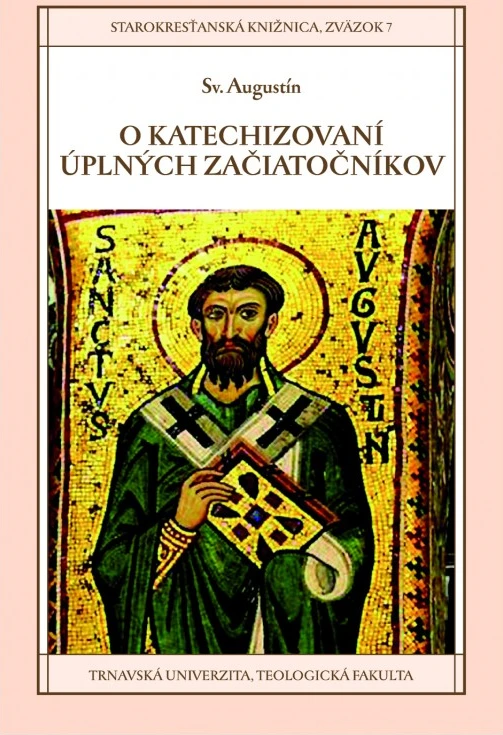
How do we speak about faith to people encountering it for the first time? A translation of Augustine’s treatise, explained in its historical context.
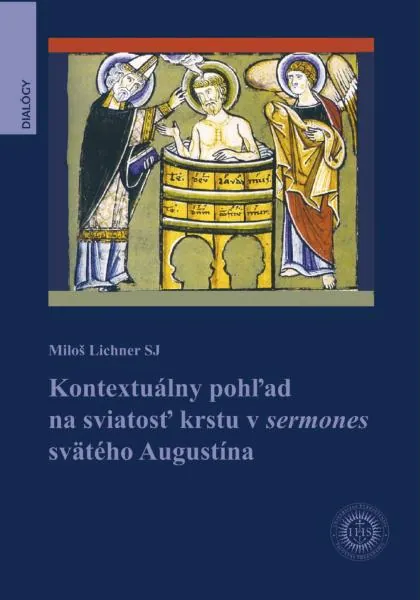
A monograph on baptism in Augustine’s sermons from the turn of the 4th and 5th centuries – when the Church had to come to terms with the mass, but often shallow, Christianisation of the empire.
A monograph in French on Augustine’s ecclesiology of tolerance. Based on doctoral research at Centre Sèvres in Paris.
Pope Leo the Great’s letter to Flavian of 449 – a text that helped shape how the Church speaks of Christ. A translation with analysis.
Unity and plurality in Christian thought of antiquity and the Middle Ages – through selected figures and texts.
How, for Gregory the Great, reading Scripture relates to personal spirituality: reading with humility, so that the text shapes one’s life and service to others. A stimulus for today’s exegesis and interreligious dialogue.
Histories of spirituality often separate the active and the contemplative life. Augustine was among the first to see them as one, and the study traces this side of his thought in his own writings.
Who were the “enemies” Leo the Great warned against in his homilies – Manichaeans, Pelagians, Nestorians and Eutychians? How he presented these heresies to the faithful, and what it means for dialogue today.
What early Christian writings can offer today’s theological study of spirituality: a resource for dialogue with other religions and a renewed link between theology, spirituality and social life.
How Popes Leo the Great and Gregory the Great saw the laity in the Church. Their approach offers a starting point for today’s conversation about the place and role of lay people.
How Leo the Great spoke of Christ and salvation after the Council of Chalcedon (451). The study follows his Christology in the context of the theological and cultural debates of his time.
Leo the Great substantially shaped the Council of Chalcedon’s confession of faith. The study analyses his homilies from before the council and how they speak of the two natures of the incarnate Word.
How Augustine’s understanding of unity and humility can illuminate the theological meaning of religious vows. A chapter in a volume on religious vows across different spiritualities.
Where fundamentalism comes from and why it thrives in postmodern culture. Its root is a lack of basic trust that turns into fear of plurality; the study also suggests ways to counter it.
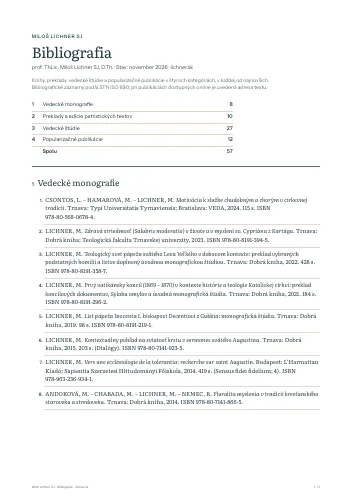
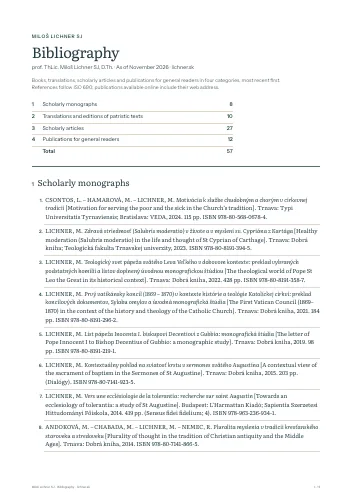
Všetky moje knihy, preklady, vedecké štúdie a popularizačné texty na jednom mieste – s úplnými bibliografickými údajmi a s odkazmi na texty, ktoré sú dostupné online.All my books, translations, scholarly articles and texts for general readers in one place – with full bibliographic details and links to the texts that are available online.
Ukážky z kníh, odborné štúdie, homílie a úvodníky – texty, ktoré si môžete prečítať hneď, celé alebo v rozsiahlej ukážke. Book excerpts, academic studies, homilies and editorials – texts you can read right away, in full or as a substantial excerpt.
What Gregory the Great advised bishops fourteen centuries ago, and why it speaks to today’s managers too. The excerpt includes an introduction to Gregory and the first nine principles.
Dobrá kniha, 2026 · photographs by Barbora Likavská · publisher’s sample · in SlovakHow do we tell the Church’s living tradition from human inventions? A monograph on Vincent of Lérins and his Commonitorium. The excerpt contains the whole opening historical and theological part.
Dobrá kniha, 2026 · publisher’s sample · in SlovakThe third volume of selected thoughts of St Augustine: my preface on the strength that is born of love, and the first thoughts in my translation.
Dobrá kniha, 2025 · with Barbora Likavská · publisher’s sample · in SlovakFreedom at a university carries a duty: to create a place where everyone feels accepted and respected. On new guidelines for mutual respect.
Universitas Tyrnaviensis 4/2025, p. 3 · in SlovakAt the start of the academic year, on the university as a community that has lived by its questions for 390 years. Academic freedom is a responsibility rather than a privilege.
Universitas Tyrnaviensis 3/2025, p. 3 · in SlovakWhy a university forms not only experts but responsible people – through critical thinking, personal integrity and openness to the world.
Universitas Tyrnaviensis 2/2025, p. 3 · in SlovakA preface on Augustine, who spent his life searching for the truth about love and freedom, and the first thoughts from the book I compiled with photographer Barbora Likavská.
Dobrá kniha, 2024 · publisher’s sample · in SlovakFor Gregory the Great, Scripture is a mirror of the soul, and reading only matters if it changes the reader’s life. On how he joined biblical interpretation, personal discipline and service to others.
Spirituality Studies 10/1 (2024), 79–85 · in EnglishChristian tradition long divided life into active and contemplative. Augustine was among the first to hold them together – and his answer is surprisingly close to us today.
Spirituality Studies 9/1 (2023), 70–77 · in EnglishHow Pope Leo spoke of Christ to the people of the 5th century: through baptism we share in him, and then we are to follow him with our lives. And why one cannot stand still on the spiritual path.
From the book on the theological world of Pope St Leo the Great (Dobrá kniha, 2022), Postoj.sk · in SlovakWhat theology can offer a Europe recovering from the pandemic – amid demographic change, digitalisation and ecological challenges.
European Catholic Social Days, Bratislava 2022 · in EnglishThe good Samaritan, the physician, the hen gathering her chicks under her wings: the images Augustine used to explain God’s mercy to ordinary churchgoers. With Ladislav Proks.
Spirituality Studies 8/1 (2022), 50–57 · in EnglishFor the opening of the academic year. On a university that should build bridges and listen first in dialogue, and on freedom that is not an end in itself but liberation for serving others.
Veni Sancte Mass, Trnava University, 20 Sept 2021 · in EnglishWhat Augustine meant by the famous verse from Ecclesiastes in his disputes with the Manichaeans, Donatists and Pelagians – and why for him the world is not evil, as long as it does not eclipse the Creator. With Mariana Hamarová.
Spirituality Studies 7/1 (2021), 48–53 · in EnglishWhy read the Church Fathers today: they teach dialogue with other religions, reconnect theology with prayer and remind us that spirituality always has a social dimension.
Spirituality Studies 6/2 (2020), 40–46 · in EnglishAugustine’s treatise on rebuke and grace was not written as a general doctrine but as a response to a crisis among the monks of Hadrumetum. Its key is humility: even perseverance in good is a gift.
Sapientiana 12/2 (2019), 26–55 · in EnglishWhat Leo preached about Christ before the Council of Chalcedon: two natures in one person – and why, for him, the Incarnation is above all the source of salvation and of human dignity.
Slavica Slovaca 53/1 (2018), 3–19 · in SlovakWhy fundamentalism grows not from too much faith but from too little trust, why it fears plurality – and what the Church and society can do about it.
Studia theologica 15/1 (2013), 135–156 · in SlovakKrátke vety cirkevných otcov, ktoré prekladám a zverejňujem – od Augustína cez Ambróza po Leva Veľkého. Každý týždeň pribudne nová, staršie zostávajú v archíve.Short sayings of the Church Fathers that I translate and share – from Augustine and Ambrose to Leo the Great. A new one is added every week; earlier ones stay in the archive.
Dať ľuďom väčšie nádobky, ten priestor a slobodu, a potom trpezlivo čakať, aby mohli rásť.To give people bigger pots, that space and freedom, and then wait patiently so they can grow.
Na Facebooku každý deň prekladám a zverejňujem jednu myšlienku z ranokresťanskej literatúry. Výber z tých najkrajších myšlienok vám môžem posielať aj e-mailom, keď sa vedľanižšie prihlásite k odberu.
Every day on Facebook I translate and post one thought from early Christian literature. I can also send you a selection of the finest ones by email.
Staršie myšlienky sa tu objavia, keď pribudnú ďalšie.Earlier thoughts will appear here as new ones are added.
Prednášam na univerzitách, vo farnostiach, na festivaloch aj vo firmách. Ponúkam témy zo svojho výskumu a hovorím o nich rečou, ktorej rozumie aj človek mimo teológie. I lecture at universities, in parishes, at festivals and in companies. I offer topics from my own research and speak about them in a language that people outside theology can follow.
Pramene, z ktorých vychádzam: cirkevní otcovia a prvé storočia Cirkvi.
The sources I draw on: the Church Fathers and the first centuries of the Church.
Prečo sa oplatí čítať muža zo 4. storočia a ako jeho dedičstvo rozvíjali Lev Veľký, Gregor Veľký či Vincent Lerinský. Milosť, sloboda, láska a pokora – bez toho, aby ste museli vedieť po latinsky.
Why it is worth reading a man from the 4th century, and how Leo the Great, Gregory the Great and Vincent of Lérins carried his legacy forward. Grace, freedom, love and humility – no Latin required.
Od prenasledovaní v čase Cypriána cez veľké koncily až po pápeža Gregora Veľkého. Ako Cirkev hľadala jednotu, riešila spory a ako sa formovala služba rímskeho biskupa.
From the persecutions in Cyprian’s day through the great councils to Pope Gregory the Great. How the Church sought unity and settled disputes, and how the ministry of the bishop of Rome took shape.
Kto boli cirkevní otcovia a prečo sa k nim teológia stále vracia. Ich texty prekladám do slovenčiny a ukazujem, čo môžu povedať dnešnému čitateľovi.
Who the Church Fathers were and why theology keeps returning to them. I translate their texts into Slovak and show what they can say to readers today.
Ako hovoriť o viere a viesť rozhovor s tými, ktorí veria inak.
How to speak about faith, and how to talk with those who believe differently.
Ako hovoriť o viere s ľuďmi, ktorí sa s ňou ešte len zoznamujú? Inšpiráciu ponúka Augustínov spis o katechizovaní začiatočníkov aj Ambrózove katechézy pre novopokrstených.
How do we speak about faith with people who are only beginning to discover it? Augustine’s treatise on catechising beginners and Ambrose’s catecheses for the newly baptised offer inspiration.
Kresťanstvo vyrástlo zo židovských koreňov a zdravá kresťanská spiritualita nemôže stáť na antijudaizme. Ako na tento vzťah pozerali prví kresťania a prečo sa židia aj kresťania dodnes modlia tie isté žalmy.
Christianity grew from Jewish roots, and healthy Christian spirituality cannot rest on anti-Judaism. How the first Christians saw this relationship, and why Jews and Christians still pray the same psalms.
Jednota bez uniformity, ako ju chápali cirkevní otcovia, a tolerancia ako cesta k rozhovoru medzi cirkvami. Kde má kresťanstvo miesto v pluralitnej spoločnosti – bez naivity a bez strachu.
Unity without uniformity, as the Church Fathers understood it, and tolerance as a path to dialogue between the churches. Where Christianity belongs in a pluralist society – without naivety and without fear.
Čo môže kresťanská tradícia ponúknuť pri otázkach, ktoré sa týkajú každého z nás.
What the Christian tradition can offer on questions that concern us all.
Pandémia, chudoba, fundamentalizmus či umelá inteligencia. Hľadám, čo k dnešným otázkam môže povedať tradícia, ktorá už prešla mnohými krízami.
Pandemics, poverty, fundamentalism and artificial intelligence. I look at what a tradition that has come through many crises can say about today’s questions.
Univerzita ako miesto poznania aj formovania osobností. Čo môže katolícka teológia ponúknuť sekulárnej univerzite a ako zodpovedne viesť ľudí – s inšpiráciou v Pastoračnej regule Gregora Veľkého.
The university as a place of knowledge and of forming people. What Catholic theology can offer a secular university, and how to lead people responsibly – drawing on Gregory the Great’s Pastoral Rule.
Sloboda pýtať sa a hľadať aj zodpovednosť za druhých. Ako o dôstojnosti človeka premýšľa kresťanská tradícia a čo to znamená vo vzťahoch, v práci či vo verejnom živote.
The freedom to ask and to seek, and responsibility for others. How the Christian tradition thinks about human dignity, and what it means in relationships, at work and in public life.
45 – 90 minút, s priestorom na otázky. Pre univerzity, farnosti, festivaly, knižnice a firmy.
45–90 minutes, with time for questions. For universities, parishes, festivals, libraries and companies.
Rád prijmem pozvanie do verejnej diskusie aj na stretnutie v menšej skupine.
I welcome invitations to public discussions and conversations in smaller groups.
Rozhovory pre televíziu, rozhlas, podcasty a tlač o Cirkvi, pápežstve, dejinách a etike.
Interviews for television, radio, podcasts and the press about the Church, the papacy, history and ethics.
Homília, duchovná obnova alebo krátke zamyslenie pre spoločenstvá a inštitúcie.
A homily, a retreat or a short reflection for communities and institutions.
A lecture on a Church that talks with the world instead of building walls against it.
An interview that sums up one of my most frequent lecture topics.
Napíšte mi tému, pre koho je podujatie určené a kedy a kde sa má konať. Dohodneme sa na možnostiach.
Tell me the topic and format, who the event is for, and when and where it takes place. We can then discuss the possibilities.
Výber mojich vystúpení v televízii a rozhlase, podcastov, rozhovorov v tlači a článkov o mojej práci. O Cirkvi a spoločnosti, ale aj o mojom povolaní.A selection of television and radio appearances, podcasts, press interviews and articles about my work – on the Church and society, and on my vocation.
On Pope Leo XIV, artificial intelligence and human dignity.
What remains of Francis’s legacy in the Church, and where Leo XIV is taking his own path.
With Štefan Chrappa on the need for education, on governing communities, and on the wisdom of a Church that shaped history.
A conversation about vocation, Augustine and giving people room to grow.
Commentary on the live broadcast of the Holy Father’s funeral from the Vatican, with presenter Igor Haraj and Jozef Kováčik.
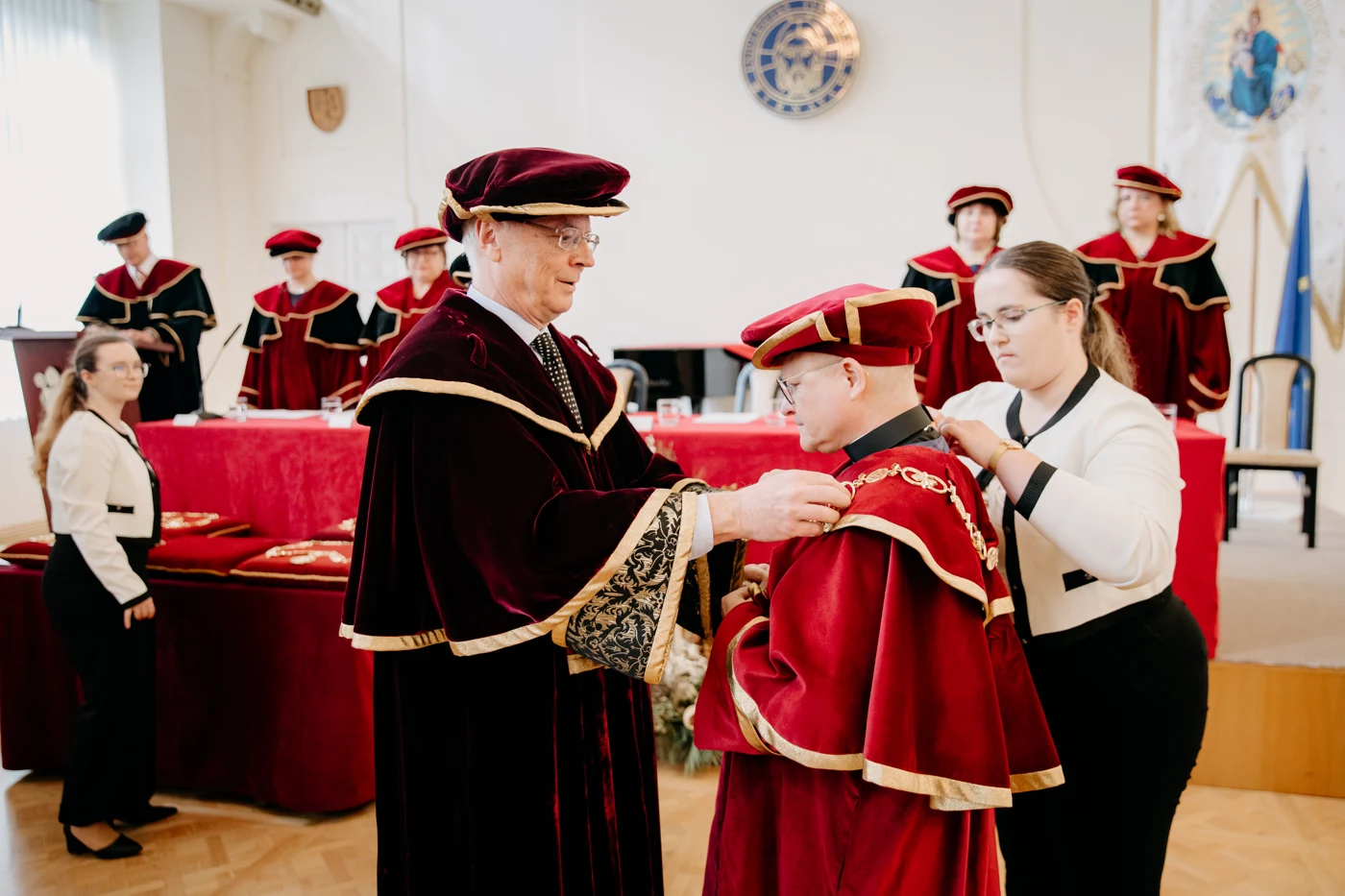
A report from the inauguration: plans for a new development strategy, cooperation in consortia, an assembly hall and a congress centre.
An article on the inauguration with excerpts from my address – on a university built on the courage to debate, even with those we disagree with.
Right after the inauguration as Rector: plans for the university, and how priesthood fits with leading a secular school.
On the appointment by the President of the Republic and the tasks ahead.
The European Jesuits on my appointment as rector.
A short report on the vote in the Trnava University academic senate.
A report from Teachers’ Day with my address on the mature person who can decide and bear the consequences.
Guest on Rádio Slovensko’s evening interview programme, 30 October 2023.
How I came to the Jesuits, why I translate the Church Fathers, and what early Christian texts can offer people today.
Commentary on the Pope’s apostolic journey to Budapest, in Igor Haraj’s studio.
A panel discussion on the synodal process and what it means for the Church in Central Europe.
A conversation with Ľuba Oravová on the Way of the Cross – its history and what it does to the person who prays it.
My comments in an article marking the tenth anniversary of Pope Francis’s pontificate.
On my monograph about Leo the Great – the pope who stopped Attila and shaped the Council of Chalcedon.
A discussion with Lucia Hidvéghyová, Cyril Jančišin and Mária Raučinová on the role of women in the Church.
Michal Oláh’s podcast. With General Pavel Macko and Rabbi Misha Kapustin on whether a just war exists.
Those who experienced trust in their family can stand firm in a many-coloured world. On God’s tolerance and its limits.
A lecture on what it means to be a Church in conversation with the world, not against it.
On the Church’s social teaching and why European Catholics met in Bratislava.
What the Church teaches about Mary as dogma, what is pious tradition, and how the two fit together.
With Andrea Púčiková on accompanying people going through hard times.
After my term as president of the European Society for Catholic Theology and the meeting with Pope Francis.
From the series Papal Journeys, before Pope Francis’s visit to Slovakia. With Juraj Vittek.
“The Pope’s thinking is a tradition open to thinking. The Holy Father holds to tradition, but tries to listen to the signs of the times.”
A short account of the meeting with Pope Francis in Bratislava.
An interview before Pope Francis’s visit to Slovakia.
Guest of Pavol Demeš. Taking stock of the pandemic year as a theologian and historian.
On my path to the priesthood, my interests and my original training in horticulture.
How Popes Leo the Great and Gregory the Great saw the laity – a report on my professorial lecture (PDF, in Slovak).
The ecumenical team behind the Psalms 51–75 commentary received one of Slovakia’s most prestigious literary awards.
An interview after the Dominik Tatarka Prize for the commentary on the Psalms.
A conversation with Juraj Daniška about the life and work of St Augustine.
On my election as vice-president of the European Society for Catholic Theology, which brings together more than eight hundred theologians.
Private revelations, Limbus puerorum, Homeopathy – yes or no?, The doyen of Slovak Catholic theology.
Základné údaje, ktoré sa najčastejšie pýtate.The basic facts you ask about most often.
Ak máte záujem o moju prednášku alebo rozhovor, kľudne mi napíšte. Môžete uviesť aj tému, prípadne termín.If you would like to invite me to give a lecture or an interview, feel free to write. You can include a topic and a possible date.
Toto je osobná stránka. Vo veciach Trnavskej univerzity, prosím, píšte na jej oficiálne kontakty.This is a personal website. For matters concerning Trnava University, please use its official contacts.